
Designed as one system
Compute, fabric, storage, power and cooling specified together rather than bought piecemeal.
MinersDeals
Multi-rack GPU clusters: compute, fabric, storage, power and cooling designed together and delivered in stages.
Need 10, 50 or 100+ units? Request volume pricing.
| Manufacturer | MinersDeals |
|---|---|
| Model | AI Cluster |
| Hashrate | 16–1,000+ GPUs |
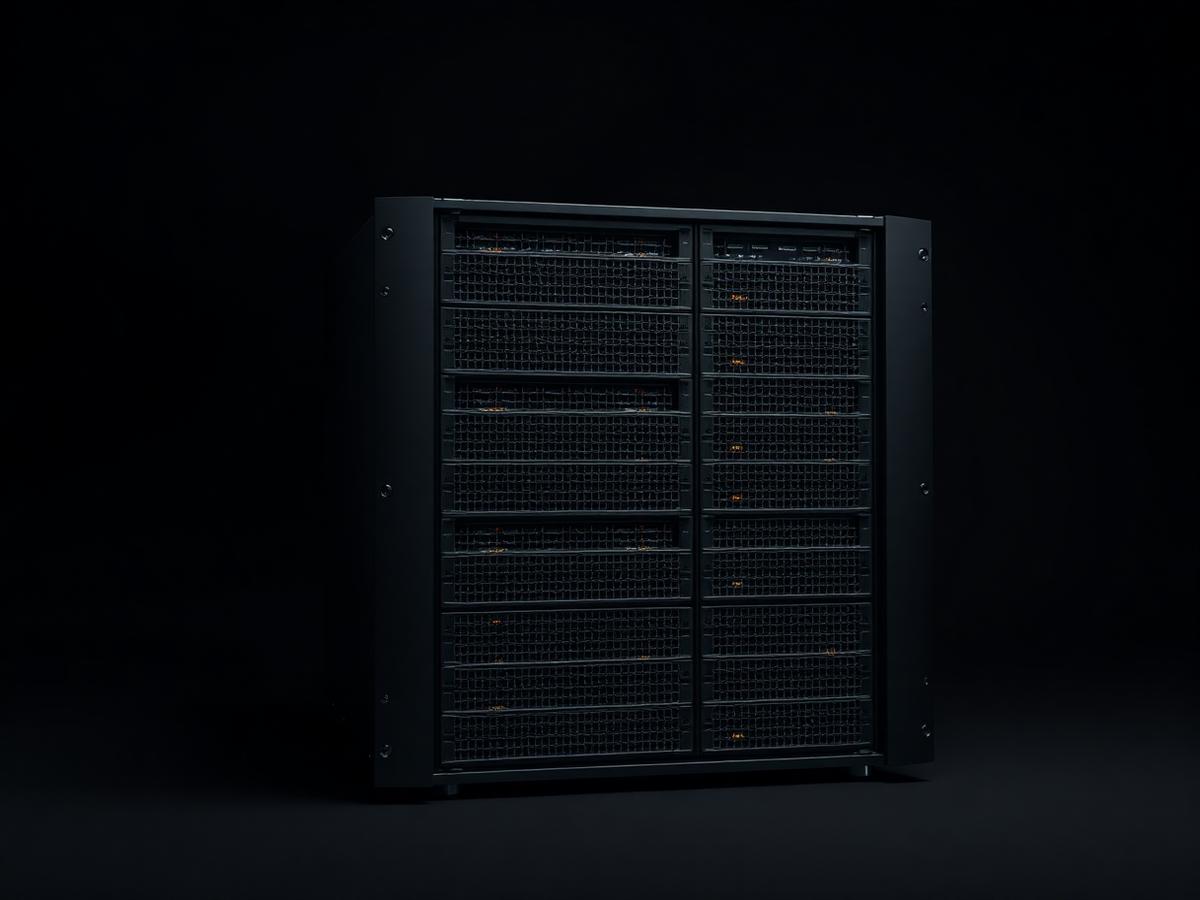
An AI cluster is a coordinated deployment of GPU nodes, a low-latency network fabric, shared storage, and power and cooling infrastructure sized to run distributed training or large-scale inference as one system. MinersDeals designs, sources and stages delivery of clusters from 16 GPUs to over 1,000.
Clusters fail on the parts that are not GPUs. Undersized fabric, storage that cannot feed the GPUs, unbalanced power phases or a cooling design that caps rack density all produce the same visible symptom: expensive accelerators sitting idle.
We start from the workload and the facility. Model size, parallelism strategy, dataset throughput and checkpoint frequency determine the fabric and storage tiers; available kilowatts per rack and heat rejection capacity determine node density and cooling method.
Delivery is staged deliberately. Getting a first rack live early validates power, cooling, networking and operational tooling before the remaining hardware lands, which is far cheaper than discovering a facility constraint after full delivery.
| Cluster scale | 16 to 1,000+ GPUs |
|---|---|
| Compute nodes | 4-way or 8-way GPU servers, SXM or PCIe |
| Fabric | InfiniBand or rail-optimised 400G Ethernet |
| Storage | Parallel filesystem with NVMe scratch tiers |
| Rack density | 30–120 kW depending on cooling method |
| Cooling | Contained air, rear-door heat exchangers or direct-to-chip liquid |
| Power | Phase-balanced PDU design with redundancy |
| Delivery | Staged across racks, rooms or sites |
Cluster design begins with the facility envelope: total available power, kilowatts per rack, and how much heat the site can reject. Those three numbers constrain every downstream decision about node density and cooling method.
Contained air cooling can support roughly 30–40 kW per rack. Rear-door heat exchangers extend that into the 40–70 kW range and are often the best retrofit option. Direct-to-chip liquid with CDUs supports the highest densities and is standard for new AI halls.
We also plan the unglamorous parts: PDU phase balancing, redundancy strategy, cable management at scale, spares holding and staged commissioning, because those determine how quickly a cluster reaches stable production.
Compute, fabric, storage, power and cooling specified together rather than bought piecemeal.
First rack live early to validate the facility before the remaining hardware arrives.
Density and cooling matched to the kilowatts and heat rejection you actually have.
Pricing for the AI Clusters & Custom Infrastructure can vary depending on quantity, availability, market conditions and fulfillment requirements. MinersDeals provides individual and volume quotes for qualified buyers, so we publish current pricing on request rather than as a fixed list price.
Buying multiple units? Ask about volume pricing.
Looking to purchase the AI Clusters & Custom Infrastructure? MinersDeals helps individual buyers, mining operators and enterprise customers source specialized hardware. Submit your requirements to receive current availability and pricing.
Planning a larger deployment? Request pricing for 10, 50, 100 or more units. MinersDeals supports hardware procurement for mining farms, hosting providers and infrastructure operators, including staged delivery across multiple sites.
Clusters typically start around 16 GPUs — enough for meaningful distributed training while remaining manageable in a single rack.
InfiniBand still leads on latency for tightly coupled training. Rail-optimised 400G Ethernet is competitive for many workloads and often easier to operate.
30–40 kW with contained air, 40–70 kW with rear-door heat exchangers, and higher with direct-to-chip liquid cooling.
Yes. Staged delivery across racks, rooms or sites is standard, and it lets you validate infrastructure before full deployment.
Yes. Send your workload profile, facility constraints and timeline, and we will come back with a design and quotation.
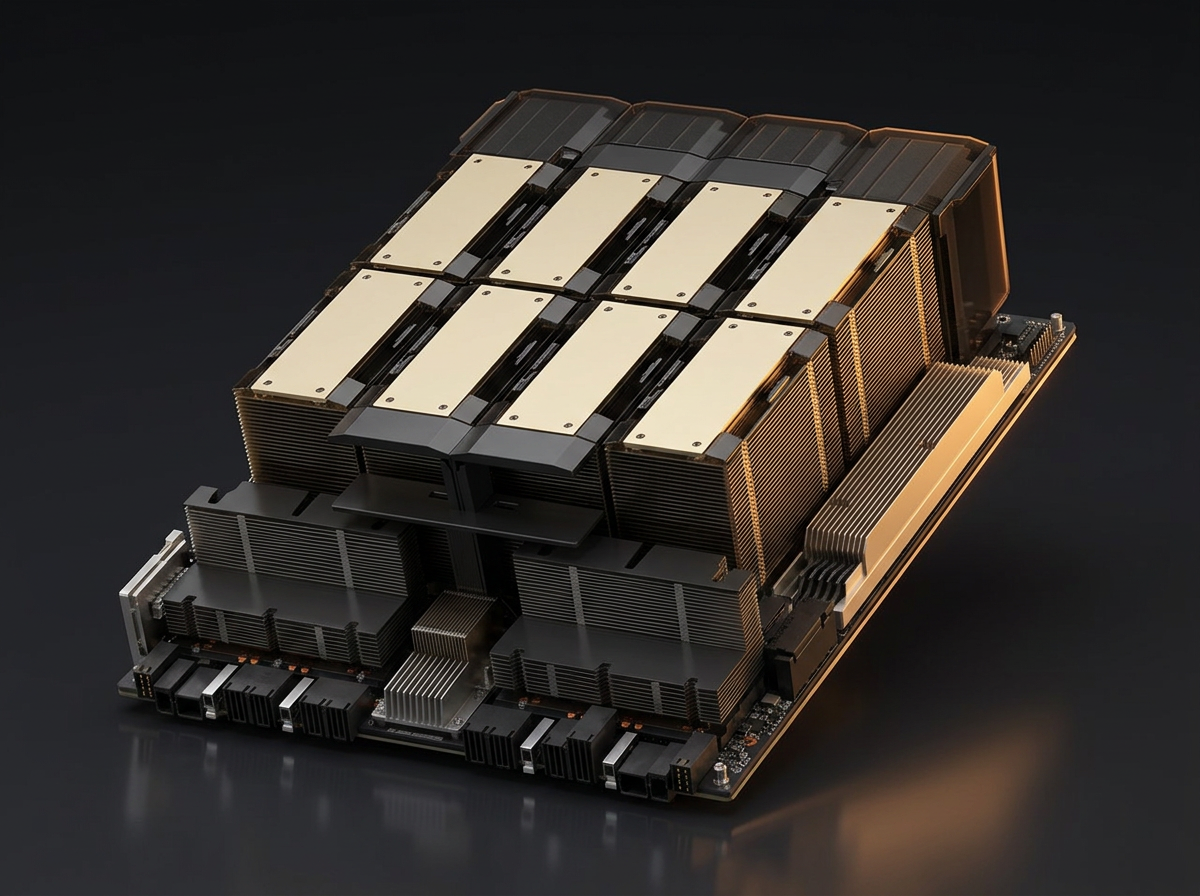
Tell us the quantity, destination and deployment timeline, and our team will come back with current availability and a quotation.