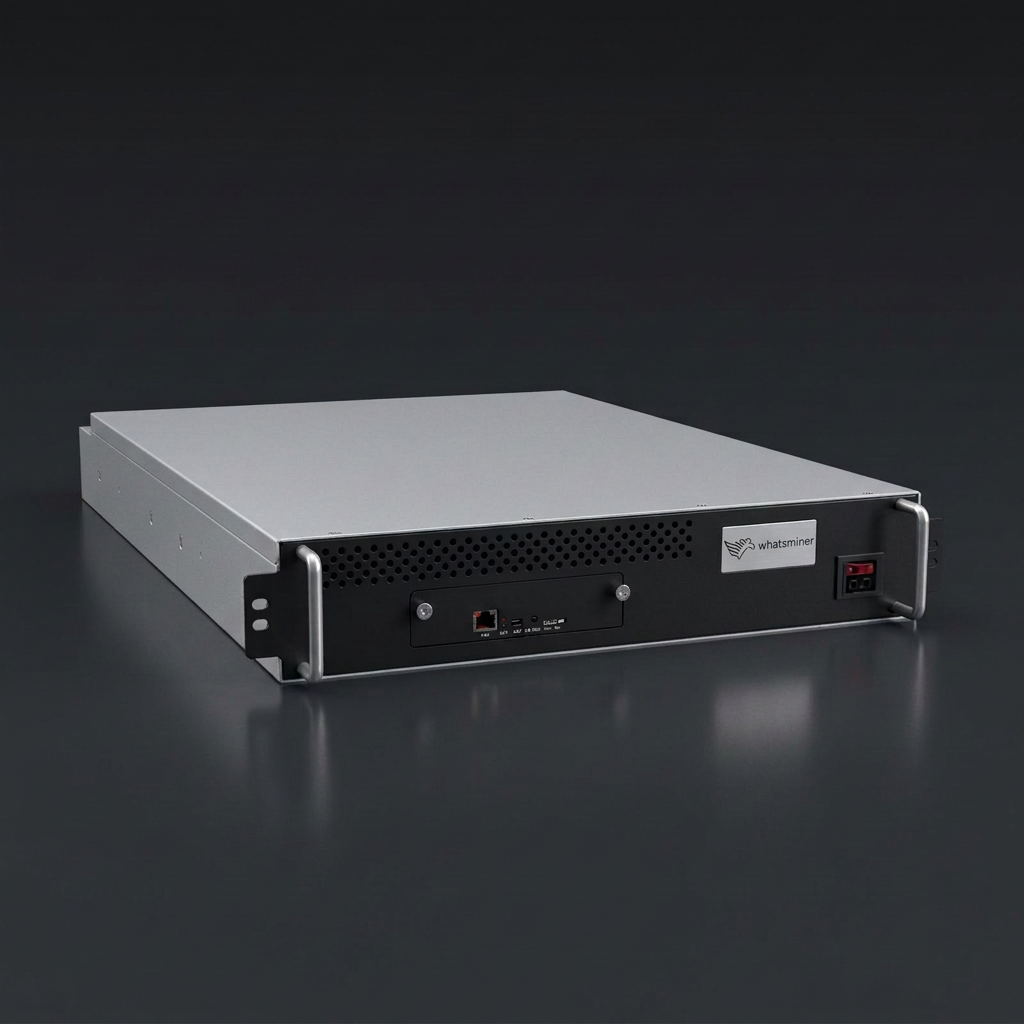
Complete published specs
Dimensions, weight, noise and voltage are all documented, simplifying rack and electrical design.
Bitdeer
The previous-generation SealMiner hydro: 660 TH/s at 12.5 J/TH with fully published physical specs.
Need 10, 50 or 100+ units? Request volume pricing.
| Manufacturer | Bitdeer |
|---|---|
| Model | SealMiner A3 Pro Hydro |
| Algorithm | SHA-256 |
| Hashrate | 660 TH/s |
| Cooling | Hydro |
| Power | 8,250 W |
| Price | $10,550 |
| Condition | New |
| Availability | In stock |
| Hashrate / capacity | Price (USD) | Configuration | Condition | Availability | |
|---|---|---|---|---|---|
| 666 TH/s | $10,550 | Hydro | New | 4 days |
Per-unit prices in USD from the MinersDeals price list, 25 Sep 2026. Stock and availability are confirmed when we issue your quote. Volume pricing is available.
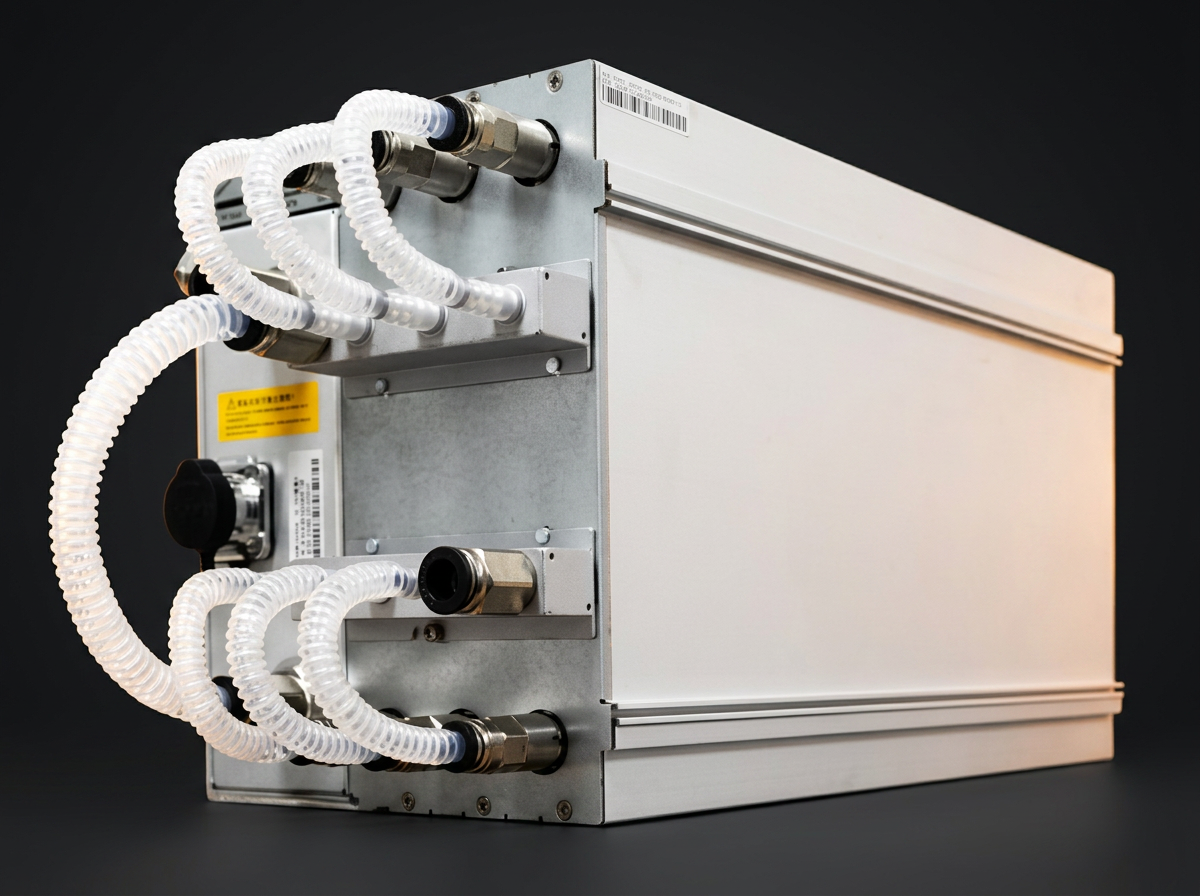
The Bitdeer SealMiner A3 Pro Hydro is a liquid-cooled Bitcoin miner producing 660 TH/s at about 8,250 W, an efficiency of 12.5 J/TH. It measures 482 × 665 × 86 mm, weighs around 20.5 kg, runs near 50 dB and accepts 380–480 V input.
The A3 generation preceded Bitdeer's SEAL04-based A4 line. It is less efficient at 12.5 J/TH, but it is a known quantity with fully published dimensions, weight, noise and voltage figures — which makes facility planning much easier than for newer models with incomplete public specs.
Its wide 380–480 V input range is a practical advantage in North American industrial sites where 480 V distribution is common, avoiding an extra transformation stage.
| Manufacturer | Bitdeer |
|---|---|
| Model | SealMiner A3 Pro Hydro |
| Algorithm | SHA-256 |
| Hashrate | 660 TH/s |
| Power consumption | 8250 W |
| Efficiency | 12.5 J/TH |
| Cooling | Hydro (liquid) cooling |
| Form factor | Rack-mount closed-loop hydro miner |
| Mineable coins | BTC, BCH, BSV |
| Input voltage | 380–480 V |
| Network interface | Ethernet (RJ45) |
| Dimensions | 482 × 665 × 86 mm |
| Weight | ≈20.5 kg |
| Noise level | ≈50 dB |
A SHA-256 unit supporting Bitcoin, Bitcoin Cash and Bitcoin SV.
The Bitdeer SealMiner A3 Pro Hydro is rated at approximately 8250 W at the wall. Electricity is usually the largest recurring cost of running it, so estimate the draw at your own rate before committing to a deployment.
Based on a rated draw of 8250 W at 100% uptime: power in kW × 24 × your rate. Real consumption varies with firmware, ambient conditions and uptime.
The Bitdeer SealMiner A3 Pro Hydro is a liquid-cooled unit. It has no onboard fans for the hashboards: heat is carried away by coolant circulating through a cold plate and must be rejected by external infrastructure — typically a dry cooler, cooling tower or plate heat exchanger sized for the site's total heat load.
A hydro deployment needs a closed loop with pumps, manifolds, filtration, quick-disconnect couplings and coolant treatment. Plan for water quality control and leak detection, and match manifold sizing to the number of units per row so flow rate stays inside the manufacturer's window.
The payoff is density and acoustics. Hydro units run far quieter than air-cooled miners, tolerate higher ambient temperatures, and let operators pack substantially more hashrate into the same floor area. Heat recovery is also practical, because the rejected heat leaves the machine as warm water rather than hot air.
Estimate the daily and monthly profitability of the Bitdeer SealMiner A3 Pro Hydro based on its hashrate, power consumption, current Bitcoin price, Bitcoin network difficulty, and your electricity cost.
Live profitability data temporarily unavailable.
Live Bitcoin price and network data could not be retrieved.
Estimated profitability for the Bitdeer SealMiner A3 Pro Hydro. Mining profitability is an estimate and can change based on cryptocurrency price, network difficulty, transaction fees, pool fees, miner uptime, hardware performance, and electricity costs. Actual results may vary.
Dimensions, weight, noise and voltage are all documented, simplifying rack and electrical design.
Works directly with 480 V industrial distribution common in North America.
An 86 mm-tall rack format suits standardised hydro rows.
How the Bitdeer SealMiner A3 Pro Hydro compares with the closest alternatives MinersDeals supplies on hashrate, power draw, efficiency and cooling.
| Model | Hashrate | Algorithm | Power | Efficiency | Cooling | Release |
|---|---|---|---|---|---|---|
| Bitdeer SealMiner A3 Pro Hydro | 660 TH/s | SHA-256 | 8250 W | 12.5 J/TH | Hydro (liquid) cooling | — |
| Bitdeer SealMiner A4 Pro Hydro | 680 TH/s | SHA-256 | 7412 W | 10.9 J/TH | Hydro (liquid) cooling | April 2026 |
| Bitdeer SealMiner A4 Ultra Hydro | 886 TH/s | SHA-256 | 8373 W | 9.45 J/TH | Hydro (liquid) cooling | April 2026 |
| Bitmain Antminer S21 XP Hyd | 473 TH/s | SHA-256 | 5676 W | 12 J/TH | Hydro (liquid) cooling | February 2025 |
Efficiency (joules per unit of hashrate) determines how long a machine stays profitable as network difficulty rises, while total power draw determines what electrical and cooling infrastructure you need per unit. A more efficient miner is not automatically the better purchase — price per terahash, availability and the cost of the cooling infrastructure it demands all feed into the decision.
If you are weighing two of these models against each other, send us your electricity rate, target quantity and site cooling type and we will model the comparison against real availability and pricing.
Current Bitdeer SealMiner A3 Pro Hydro prices are shown in the price table near the top of this page. Final pricing for larger orders depends on quantity and delivery requirements.
Buying multiple units? Ask about volume pricing.
Looking to purchase the Bitdeer SealMiner A3 Pro Hydro? MinersDeals helps individual buyers, mining operators and enterprise customers source specialized hardware. Submit your requirements to receive current availability and pricing.
Planning a larger deployment? Request pricing for 10, 50, 100 or more units. MinersDeals supports hardware procurement for mining farms, hosting providers and infrastructure operators, including staged delivery across multiple sites.
12.5 J/TH — 660 TH/s at approximately 8,250 W.
380–480 V, which covers most industrial three-phase distribution.
The A4 Pro Hydro is more efficient (10.9 J/TH) at 680 TH/s. The A3 Pro is an older generation, usually cheaper per unit.
482 × 665 × 86 mm at approximately 20.5 kg.
Tell us the quantity, destination and deployment timeline, and our team will come back with current availability and a quotation.